
When you’ve been told “everything looks normal”… but your bladder still won’t let you live your life.
A 12-week psychophysiological programme that helps calm the nervous system, reduce bladder and pelvic symptoms, and restore trust in your body.
Referred by pelvic-health clinicians • London-based • Online worldwide
Many clients arrive here after referral from pelvic-health clinicians.
Referred by Pelvic Health Specialists

Dr Nicole Fleischmann, MD
Urologist & Pelvic Floor Surgeon

Dr Diana Londoño, MD
Urologist (US)

Dr April Morrison
NHS Doctor (UK)
Do any of these sound familiar?
Pelvic Calm™ supports women living with persistent bladder pain syndrome (BPS), interstitial cystitis (IC), and bladder urgency, especially when:
Helping women reclaim comfort, confidence and freedom after months or years of persistent bladder symptoms.
Clinical Perspective
Why Nervous System Regulation Matters in Pelvic Health
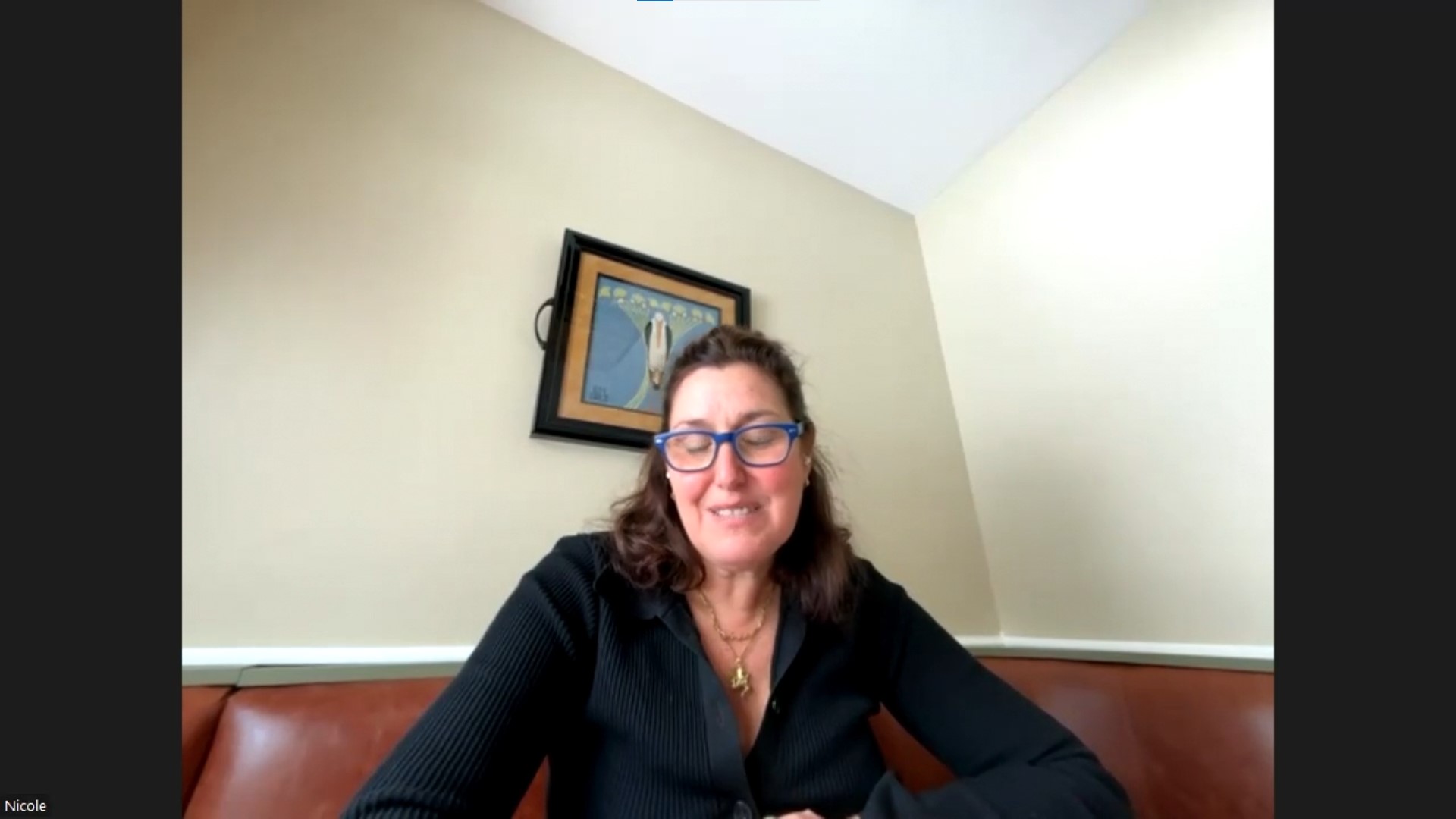
“People don’t get better unless they learn how to modulate their nervous system.”
— Dr Nicole Fleischmann, MD
Urologist & Pelvic Floor Surgeon
Dr Nicole Fleischmann is a board-certified urologist and pelvic floor surgeon in New York with over 25 years of experience treating women with interstitial cystitis, bladder pain syndromes, urgency, and pelvic floor dysfunction.
In this short interview, she explains why nervous-system regulation and somatic awareness are often essential components of pelvic recovery.
How Pelvic Calm™ Works
Understand the Pattern
Chronic bladder and pelvic symptoms often continue long after the original trigger has passed. Over time, the nervous system can become stuck in protection mode, creating ongoing urgency, tension, pain, and hypersensitivity.
At Pelvic Calm™, we explore the bladder–brain–nervous system connection and begin identifying the patterns that may be maintaining symptoms.
Regulate the Nervous System
Using somatic practices, breathwork, cognitive-hypnotic tools, trauma-informed psychotherapy, and nervous-system regulation techniques, we help calm the body’s stress response and reduce pelvic “high tone” patterns associated with chronic urgency and pain.
Clients learn how to recognise flare-up patterns early and gradually restore a sense of safety in the body.
Retrain Safety & Restore Trust
As the nervous system becomes more regulated, many clients begin experiencing fewer flare-ups, less fear around symptoms, improved sleep, reduced pelvic tension & symptoms, and a greater sense of confidence in their bodies.
The goal is not simply symptom management, but helping the body gradually stop interpreting normal sensations as danger.
Real Client Experiences

— Kelli Keough
I came to Pelvic Calm after a lifetime of constipation and recurring urinary tract infections. I'd tried everything: laxatives, diets, supplements, physiotherapy. But nothing created lasting change.
What surprised me most was that we didn't just focus on my body. We explored the patterns that kept me tense, constantly pushing and overworking. Changing my relationship with stress changed my relationship with my body and drastically reduced my symptoms.
Today I feel lighter. I recover more quickly from stressful situations. I've learnt to set boundaries, stop overworking and, perhaps most importantly…
'I know how to make myself feel better now.'
From Urinating Every 30 Minutes to 3–4 Hours Without Needing the Bathroom
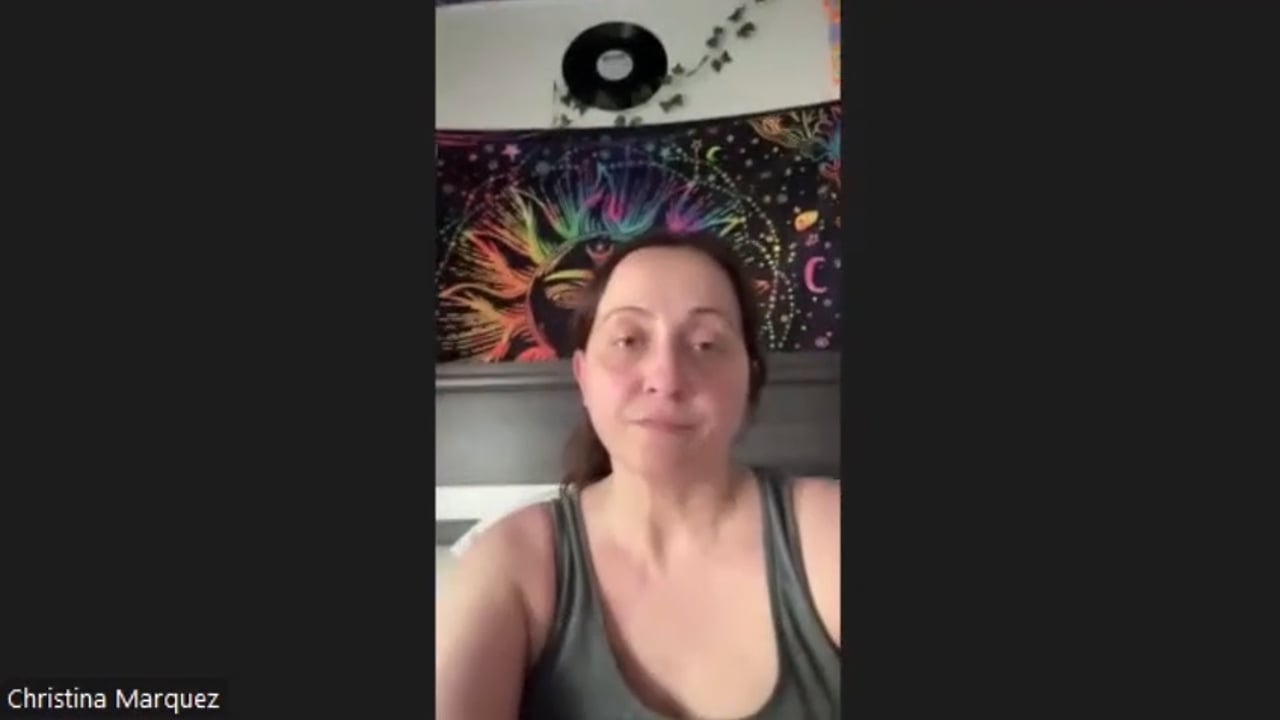
— Christina Marques
Reduced Leakage & Pelvic Tension After Pelvic Floor Surgery
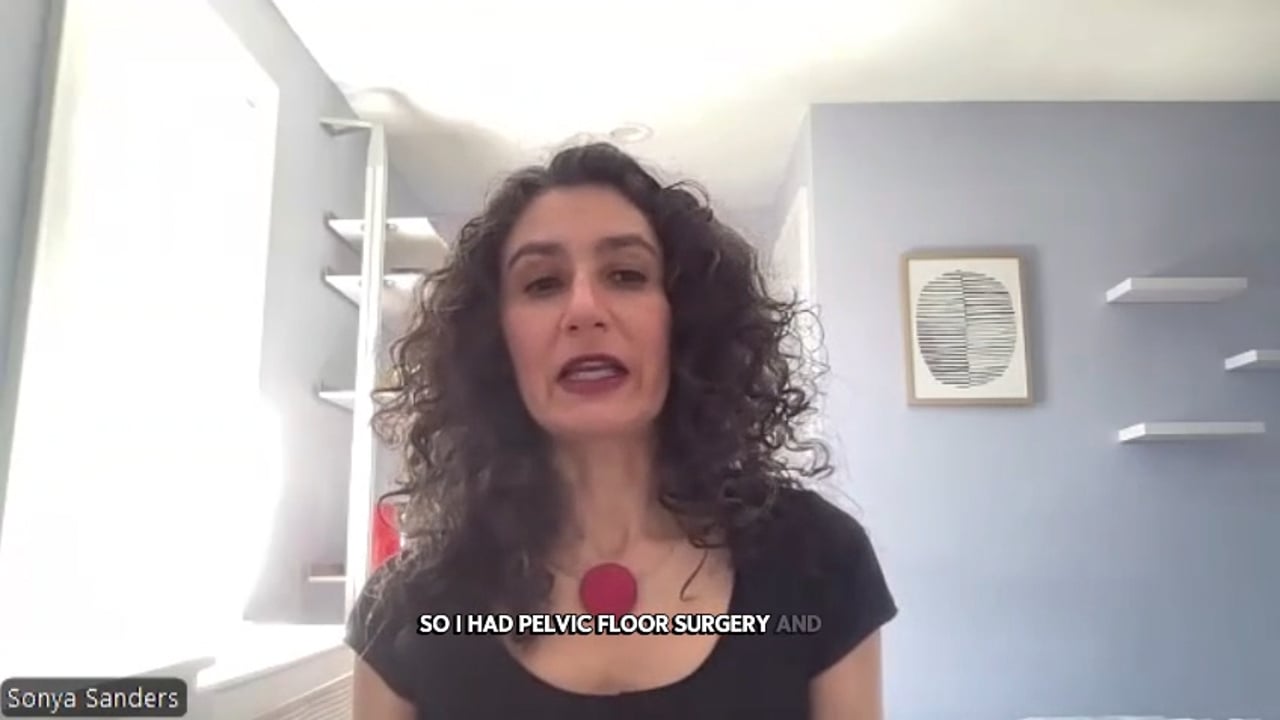
— Sonya Sanders
A Typical Pelvic Calm™ Journey
Before
- Chronic constipation
- Pelvic tension
- Bladder symptoms
- Constant body monitoring
- Flare-ups during stress
What We Explored
- Nervous-system overload
- Pelvic guarding
- Perfectionism & overcontrol
- Fear-based symptom cycles
- Subconscious holding patterns
Changes Reported
- Improved bowel regularity
- Reduced pelvic tension
- Less symptom monitoring
- Greater nervous-system calm
- Increased trust in the body
- No more UTIs
Over time, the body began responding less through automatic tension and holding patterns, and more through safety, regulation, and flexibility.
Beyond Biology
Chronic pelvic and bladder symptoms are not only physical experiences. For many women, the body also begins holding patterns of tension, vigilance, fear, pressure, and protection.
Over time, the nervous system can associate certain sensations, emotions, environments, or stressors with danger, keeping the pelvic area in a constant state of guarding and hypersensitivity.
Pelvic Calm™ combines nervous-system regulation, somatic therapy, and subconscious retraining to help the body gradually move out of protection mode and back toward safety, flexibility, and regulation.

The Science Behind Pelvic Calm™
Neuroplasticity
The brain can unlearn pain responses and restore normal signalling.
Polyvagal Theory
Healing begins when the body feels safe, not when we push harder.
Pain Reprocessing Therapy
We retrain the brain’s interpretation of safe signals.
Trauma-Informed Hypnotherapy
Releasing subconscious fear loops that keep the bladder on high alert.
It’s not “just stress.” It’s the biology of safety.
What You’ll Experience Over 12 Weeks
Pelvic Calm™ Includes

Comprehensive intake session
Nine 90-minute sessions over 12 weeks
Custom hypnosis audios
Nervous-system regulation tools
Somatic & breathwork practices
WhatsApp support between sessions
Investment
Most women come to Pelvic Calm™ after months or years of trying to solve these symptoms alone. This programme is designed to provide the structure, guidance and support needed to create lasting change.
Pelvic Calm™ 12-Week Programme
$1200
A structured 3-month mind-body programme designed to restore calm, comfort and confidence in your body.
- Nine 90-minute sessions
- Custom hypnosis audios
- Nervous system regulation tools
- WhatsApp support between sessions
Flexible payment plans available
Book a Root Cause Call
About Marta Faria
Nervous System & Psychophysiological Specialist | Founder of Pelvic Calm™
For years I've worked with people living with chronic pain, nervous system dysregulation and persistent pelvic symptoms. Again and again, I met women who had been told their tests looked normal, yet they were still living with urgency, pain, tension and fear.
Pelvic Calm™ was created after seeing how many women continued to suffer even when medical treatment had reached its limits. I wanted to bridge the gap between excellent medical care and the often-overlooked role of the nervous system in persistent bladder and pelvic symptoms.
Today, I work alongside urologists, gynaecologists and pelvic health physiotherapists to provide a psychophysiological approach that complements medical care rather than replaces it.
My work integrates neuroscience, nervous system regulation, trauma-informed somatic therapy, cognitive hypnotherapy, breathwork and mind-body retraining to help women reduce symptoms, calm fear and hypervigilance, and restore trust in their bodies.
The goal isn't simply to help you think differently about your symptoms. It's to help you get your life back.
Still searching for answers?
If bladder pain or urgency continues despite clear medical tests, a nervous-system-based approach may help.
Book a Free Pelvic Pain Clarity Call to explore whether Pelvic Calm™ is the right path for you.
I work with a limited number of clients at a time to ensure personalised support. Typically I open 3 new programme spaces each month. Once these are filled, new clients are placed on a short waiting list.